
 Français
 Español
 日本語
 العربية
 繁体中文
 简体中文


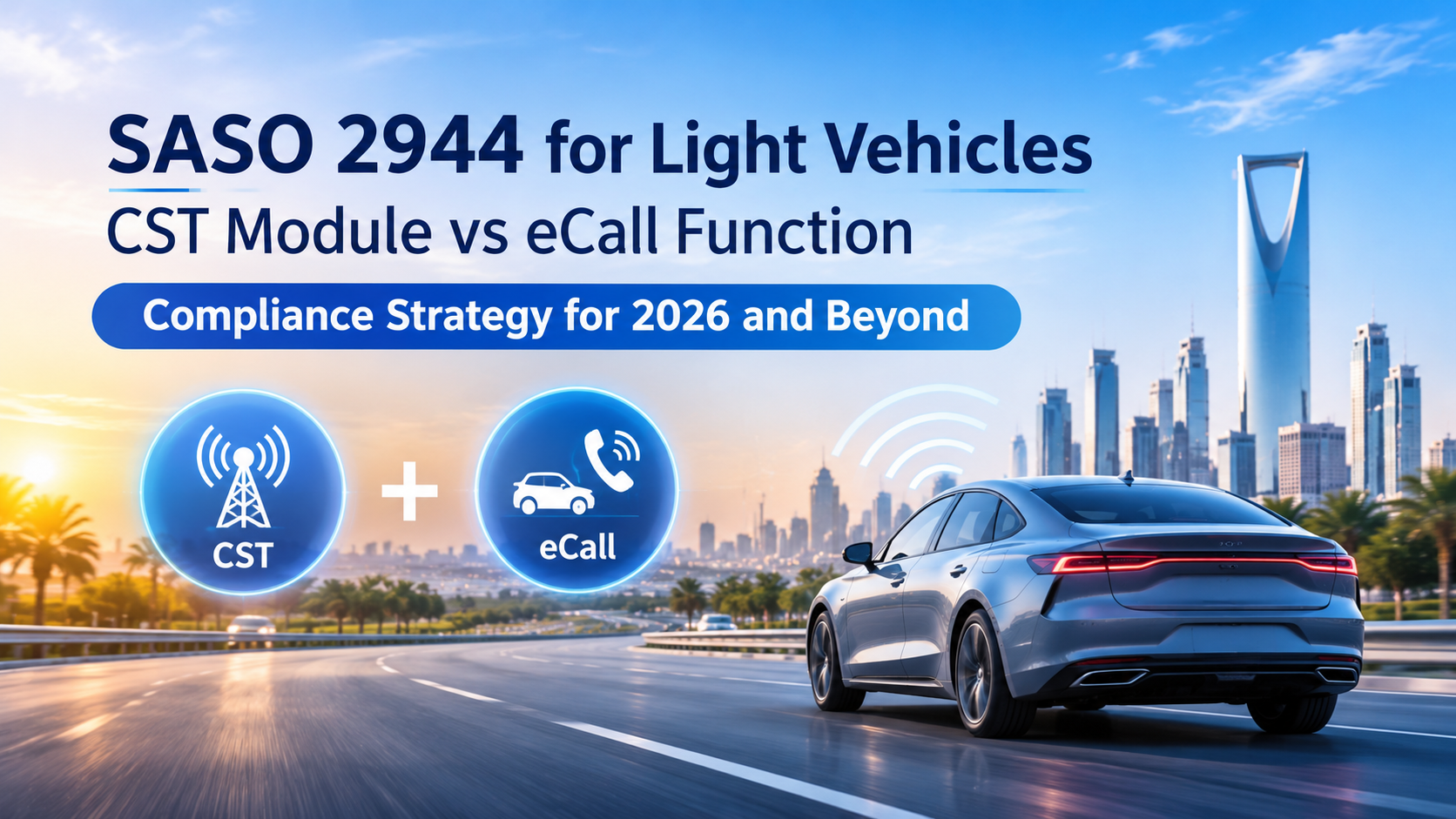
Saudi SASO 2944 for Light Vehicles: How to Separate CST Module RF Approval from Vehicle-Level eCall Validation
Saudi SASO 2944 for Light Vehicles: How to Separate CST Module RF Approval from Vehicle-Level eCall Validation
For light-duty vehicles with GVW ≤ 3,500 kg, Saudi eCall compliance is not simply a “module certification” project. The wireless module and the vehicle-level emergency call function belong to two different compliance tracks — and mixing them can create unnecessary testing, missing documents, or certification delays.
This distinction is becoming more important as Saudi Arabia prepares for the mandatory implementation of SASO 2944:2023.
In July 2026, Saudi Arabia officially postponed the mandatory implementation date from January 1, 2027 to January 1, 2028 for vehicle models covered by the standard. At the same time, PSAP testing is no longer a mandatory part of the SASO 2944 conformity assessment procedure. However, manufacturers remain responsible for meeting the applicable SASO 2944 requirements and the relevant CST technical requirements, including SASO-CST-RI120.
So how should an automotive manufacturer plan the project?
1. Start with the Correct Compliance Architecture
SASO 2944:2023 defines light-duty vehicles as vehicles with a maximum gross weight of 3,500 kg primarily intended for passenger or goods transportation.
The standard requires applicable vehicles to be equipped with an eCall in-vehicle system. The system must be capable of establishing an emergency call through available public wireless communication networks and transmitting the required Minimum Set of Data (MSD). The standard also requires network-based equipment, including the eCall communication module, to support 4G for type approval.
For manufacturers, however, this does not mean that the entire vehicle can be treated as a cellular module.
A practical compliance structure is:
Track A — CST wireless/RF compliance
→ Cellular communication module
→ RF frequency bands
→ Output power
→ Cellular technology
→ EMC/RF evidence
→ CST technical requirements
→ Module/device certification documentation
Track B — SASO 2944 vehicle eCall compliance
→ eCall architecture
→ Automatic emergency triggering
→ MSD generation and transmission
→ Vehicle identification
→ GNSS/location information
→ Voice communication
→ Backup power
→ HMI and fault indication
→ Vehicle integration
→ Vehicle-level functional validation
→ SASO 2944 conformity evidence
The two tracks are related, but they are not interchangeable.
2. Why a CST-Certified Module Does Not Automatically Mean the Vehicle Passes SASO 2944
This is one of the most important points for automotive OEMs and T-box suppliers.
A cellular module may already have evidence for Saudi wireless requirements. That can reduce the RF certification workload when the module is integrated into the vehicle.
But SASO 2944 is concerned with what happens after the module becomes part of the vehicle eCall system.
For example:
Does the vehicle automatically trigger an eCall after a severe incident?
Is the correct MSD generated?
Does the MSD contain the required vehicle and location information?
Can the system establish the emergency communication?
Does the system remain operational after the relevant crash event?
Is the backup power sufficient?
Does the HMI provide the required information?
Can the vehicle occupants manually trigger an emergency call?
Are fault conditions detected and indicated correctly?
A module RF report cannot answer these vehicle-level questions.
This is why the compliance file should be built as two linked evidence chains, rather than one large report.
3. Track A: What Should Be Prepared for the CST Module Side?
Before starting the Saudi project, the manufacturer should freeze the exact cellular module configuration.
A practical document package may include:
Module model and hardware revision
Module datasheet
Supported LTE bands
RF output power information
Antenna configuration
RF test reports
EMC evidence where applicable
CST-related certification or approval documents
Firmware/software version
Hardware revision
Supplier declaration and authorization documents
Integration information
Antenna specifications
Country/market configuration
The key issue is configuration control.
If the vehicle uses a different module revision, different RF firmware, different antenna arrangement, or a different cellular configuration from the certified configuration, the existing evidence may not automatically cover the final vehicle.
This is particularly important for T-box and telematics suppliers supplying the same hardware platform to multiple vehicle manufacturers.
4. Track B: What Should Be Prepared for SASO 2944?
The vehicle-level file should be organized around the eCall function, rather than simply around the communication module.
Typical evidence should address:
Vehicle and system identification
Vehicle model/type
GVW classification
eCall system architecture
T-box/eCall ECU identification
Hardware and software versions
Cellular module identification
GNSS receiver and antenna configuration
Emergency call function
Automatic eCall triggering
Manual eCall triggering
Emergency call initiation
Call establishment
Voice communication
MSD generation
MSD transmission
Vehicle identification
Location information
Time information
Propulsion/vehicle-related data
Power and failure behavior
Main power supply
Backup power strategy
Post-crash operating capability
Fault detection
System self-test
HMI fault indication
Recovery behavior
Vehicle integration
CAN/LIN/Ethernet interfaces where applicable
Crash signal source
Ignition/power state
GNSS antenna installation
Cellular antenna installation
T-box location
Wiring and grounding
Software configuration
The critical principle is simple:
The module proves wireless capability. The vehicle-level evidence proves that the complete eCall system actually works.
5. What Changed in 2026: PSAP Testing Is No Longer Mandatory
This does not mean that eCall validation has disappeared.
Saudi Arabia's July 2026 update removed PSAP testing as a mandatory element of the SASO 2944 conformity assessment procedure. The mandatory implementation date was also moved to January 1, 2028.
For manufacturers, this changes the project strategy.
Instead of building the entire certification plan around PSAP coordination, engineering teams can focus more efficiently on the technical evidence that remains necessary:
eCall trigger → system activation → network connection → MSD → emergency communication → vehicle/system response
PSAP testing being removed from the mandatory conformity assessment procedure should not be interpreted as permission to skip functional validation.
For an OEM, a failed eCall sequence during internal validation can still become a serious launch risk.
6. Do Not Mix Certificate Validity With Vehicle Compliance Validity
Another frequent misunderstanding concerns certificate validity.
A CST wireless approval and a vehicle-level SASO 2944 conformity assessment are different compliance objects. Their validity, renewal requirements, and change-control conditions should therefore be checked against the specific approval route and current Saudi requirements.
In practice, manufacturers should maintain a certificate lifecycle matrix:
| Compliance item | Compliance object | Key configuration | Validity / change control |
|---|---|---|---|
| CST wireless approval | Cellular communication equipment/module | RF + HW + SW + bands | Check applicable CST approval rules |
| SASO 2944 evidence | Vehicle eCall system | Vehicle + ECU + module + software | Maintain vehicle configuration evidence |
| Test reports | Specific test configuration | HW/SW/antenna | Review impact of changes |
| Technical file | Vehicle/system | Model/type configuration | Update when regulated characteristics change |
Do not assume that an existing module certificate automatically remains sufficient after a module replacement, RF firmware update, antenna change, T-box redesign, or vehicle architecture change.
7. The Most Efficient Strategy for OEMs and T-Box Suppliers
For a new Saudi light-vehicle project, BlueAsia recommends establishing the compliance architecture before final hardware and software freeze.
A practical workflow is:
Step 1 — Identify the vehicle scope
Confirm GVW, vehicle category, model/type and Saudi market configuration.
Step 2 — Identify the eCall communication module
Confirm module manufacturer, model, hardware revision, firmware and cellular bands.
Step 3 — Separate CST evidence from SASO 2944 evidence
Create two document folders and map every requirement to its corresponding report or technical document.
Step 4 — Review vehicle integration
Check antenna, power supply, backup battery, crash trigger, GNSS, HMI and communication interfaces.
Step 5 — Conduct eCall functional validation
Verify automatic/manual triggering, MSD, voice communication, network behavior and fault handling.
Step 6 — Build the final conformity package
Only after the technical configuration is frozen should the certification package be finalized.
This approach prevents a common problem: testing the module correctly but discovering late in the project that the vehicle-level eCall evidence is incomplete.
How BlueAsia Helps
Saudi eCall projects require more than a wireless test report.
BlueAsia supports automotive manufacturers and T-box/eCall suppliers with CST-related RF compliance, SASO 2944 technical assessment, eCall functional validation, RF/EMC testing, antenna evaluation, documentation review and vehicle-level compliance planning.
Our objective is to connect the two compliance tracks:
Wireless module → T-box/eCall ECU → vehicle integration → eCall function → Saudi market evidence
With SASO 2944 mandatory implementation now scheduled for January 1, 2028, manufacturers have an opportunity to use the additional preparation window to freeze the right architecture and evidence strategy before SOP.
If your Saudi light-vehicle project already has a CST-approved cellular module, the next question should not be “Do we already have the certificate?”
It should be:
“Which parts of the vehicle-level eCall evidence are still missing?”
Contact BlueAsia Labs to review your CST + SASO 2944 eCall compliance structure before testing begins.
 Blog
Why Two-Wheelers Are Becoming As Complex As Passenger Cars
Read article
 Blog
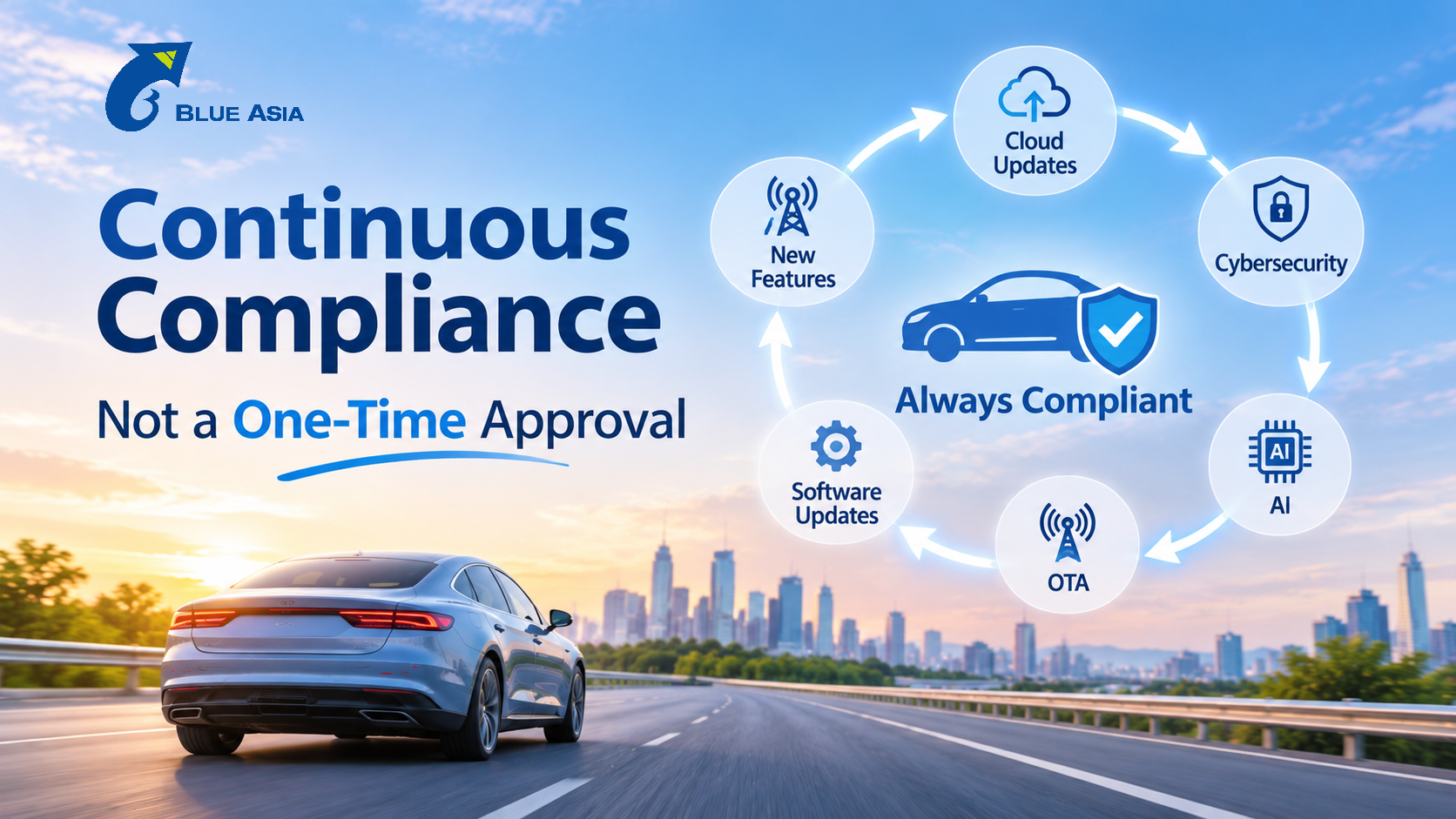
Why Future Vehicle Certification Will Be Continuous Instead of One-Time Approval
Read article
 Blog
Saudi SASO 2944 for Light Vehicles: How to Separate CST Module RF Approval from Vehicle-Leve
Read article
 Blog
Adding 4G/5G eCall to an Existing Vehicle? The Hard Part Is Not the Cellular Module.
Read article
 Blog
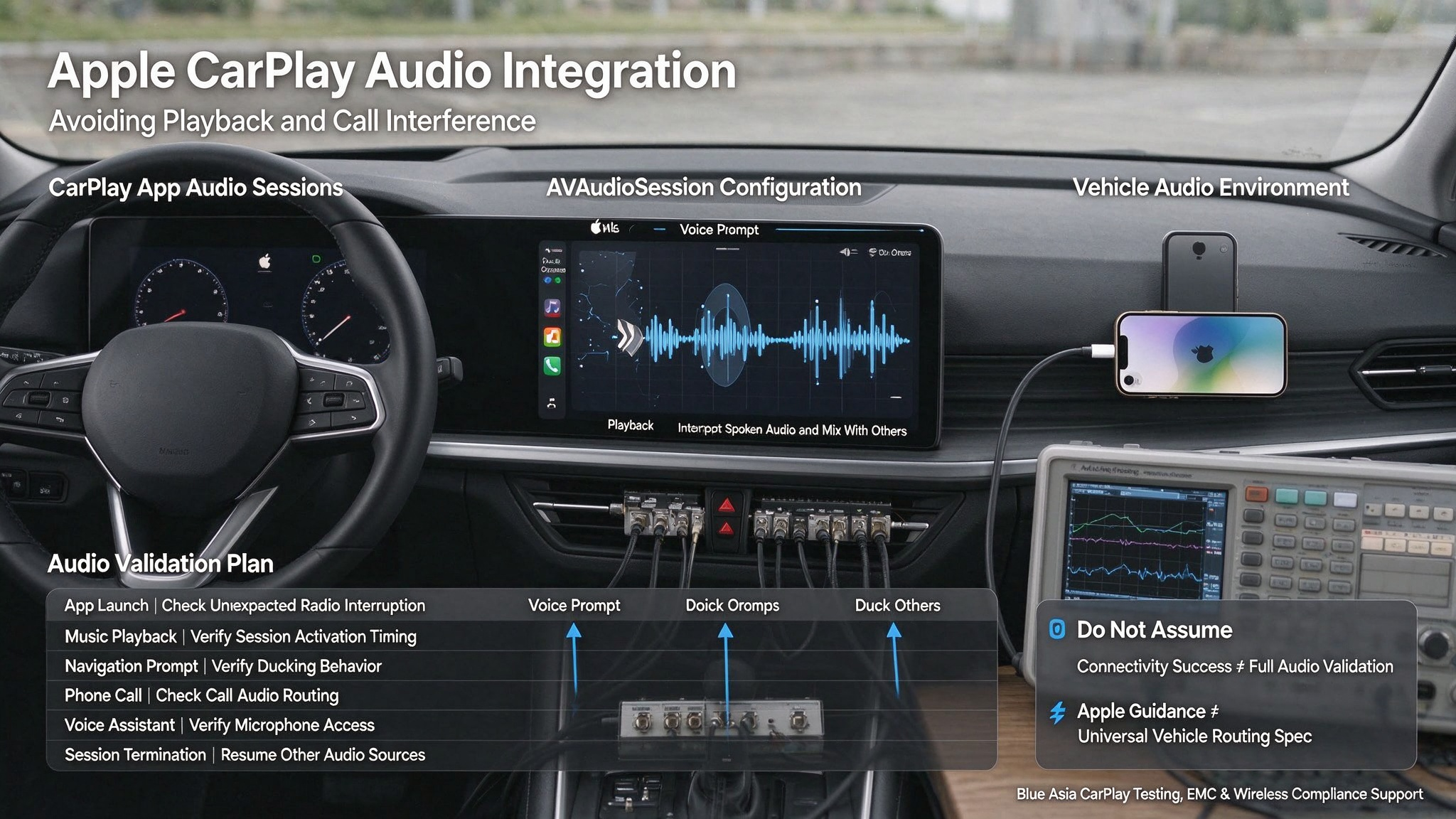
Apple CarPlay Audio Integration: How to Avoid Playback and Call Interference
Read article
 Blog
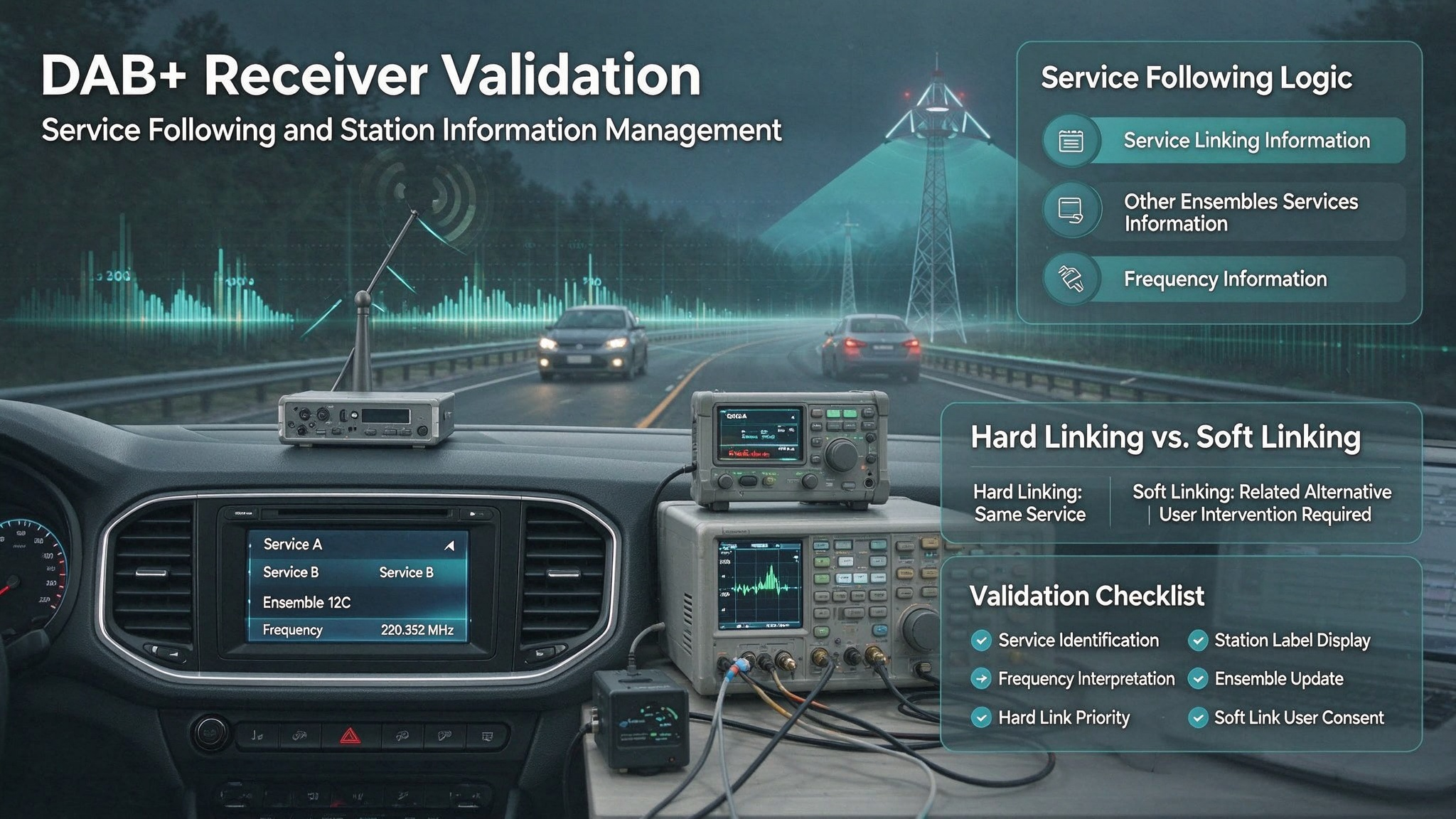
DAB+ Receiver Validation: How to Manage Service Following and Station Information
Read article

 4000259520