
 Français
 Español
 日本語
 العربية
 繁体中文
 简体中文


Why Vehicle Type Approval Starts Before The First Prototype Exists
The most expensive certification mistake happens before the first prototype is built.
When people think about Vehicle Type Approval, they usually imagine laboratories, test tracks, compliance reports and certification authorities.
But after supporting automotive electronics projects across multiple global markets, we've noticed something different.
The projects that experience the fewest certification delays often have one thing in common:
They started thinking about compliance long before testing began.
In reality, the biggest Type Approval decisions are rarely made in the laboratory.
They are made during Product Planning.
Type Approval begins much earlier than most teams think
Many companies still treat compliance as the final milestone before product launch.
The process often looks like this:
Complete product development
Build prototypes
Send samples for testing
Fix problems
Apply for Type Approval
This approach worked reasonably well when vehicles changed slowly and electronic systems were relatively simple.
Today's vehicles are different.
Software, connectivity, AI, cybersecurity and regional regulations all influence product development from the earliest stages.
As a result, Vehicle Type Approval is increasingly becoming part of product planning rather than a final certification activity.
The first prototype is not where most certification risks begin
Many expensive redesigns originate months earlier.
During concept development, teams make decisions about:
Vehicle architecture
Wireless technologies
Software platforms
Electronic control units
Connectivity strategy
Global market targets
Supplier selection
At that moment, no laboratory testing has started.
Yet these decisions determine:
Which regulations apply
Which testing will be required
Which documentation must be prepared
How easily the vehicle can enter different markets
In other words:
Product architecture often determines certification complexity.
Platform strategy influences global market access
Modern vehicles are increasingly developed as global platforms.
One platform may support:
Passenger cars
SUVs
Commercial vehicles
Different regional variants
This improves development efficiency.
However, it also creates new compliance challenges.
Questions such as these should be answered early:
Which markets will the platform support?
Will Saudi Arabia require additional DAB+ behavior?
Will emergency communication differ by region?
Will software configurations vary?
Which wireless technologies will be optional?
If these considerations are postponed until testing begins, engineering changes become significantly more expensive.
Supplier selection is also a compliance decision
Choosing a supplier is often viewed as a commercial activity.
In reality, it is also a compliance decision.
For example:
A wireless module supplier may influence:
Bluetooth Qualification
Wi-Fi coexistence
RF performance
Regional approvals
A software supplier may influence:
OTA strategy
Version control
Cybersecurity processes
Documentation quality
Changing suppliers late in development can affect far more than procurement schedules.
It can affect the entire approval strategy.
The laboratory cannot redesign your product
Many teams expect the laboratory to solve compliance problems.
In reality, laboratories verify products.
They do not redesign architectures.
If antenna placement limits wireless performance…
If software architecture cannot support traceability…
If hardware selection conflicts with market requirements…
Those issues are often expensive to correct after prototypes are built.
The earlier compliance requirements influence engineering decisions, the lower the overall project risk.
Type Approval is becoming part of product strategy
As vehicles become increasingly software-defined, connected and global, successful manufacturers are changing their approach.
Instead of asking:
"What testing do we need?"
They ask:
Which regulations influence our architecture?
Which markets are we targeting?
Which platform strategy supports long-term compliance?
Which suppliers fit our approval objectives?
How can we reduce redesign before testing begins?
This is why compliance discussions are moving closer to engineering and product planning.
Five questions every product team should ask
Before building the first prototype, ask:
✅ Which global markets will this vehicle enter?
✅ Have regulatory requirements been included in product planning?
✅ Does the chosen platform support future market expansion?
✅ Have supplier compliance capabilities been evaluated?
✅ Can the current architecture support long-term approval and lifecycle changes?
These questions are often far less expensive to answer before development begins than after testing starts.
Final Thoughts
Many people believe Vehicle Type Approval begins when prototypes arrive at a testing laboratory.
In reality, that is simply where compliance becomes visible.
The most important decisions have usually been made much earlier.
As vehicles become more connected, software-defined and globally deployed, successful Automotive Development depends on integrating compliance into product planning—not treating it as the final project phase.
Because the fastest certification projects rarely succeed by testing faster.
They succeed because they started planning earlier.
Join the discussion
At what stage does your organization begin thinking about compliance?
After the prototype is built…
Or during product planning?
I'd love to hear your experience in the comments.
#VehicleTypeApproval #ProductPlanning #AutomotiveDevelopment #ComplianceStrategy #AutomotiveElectronics #GlobalMarketAccess #VehicleCompliance #SystemEngineering #ProductDevelopment #Homologation
 Blog
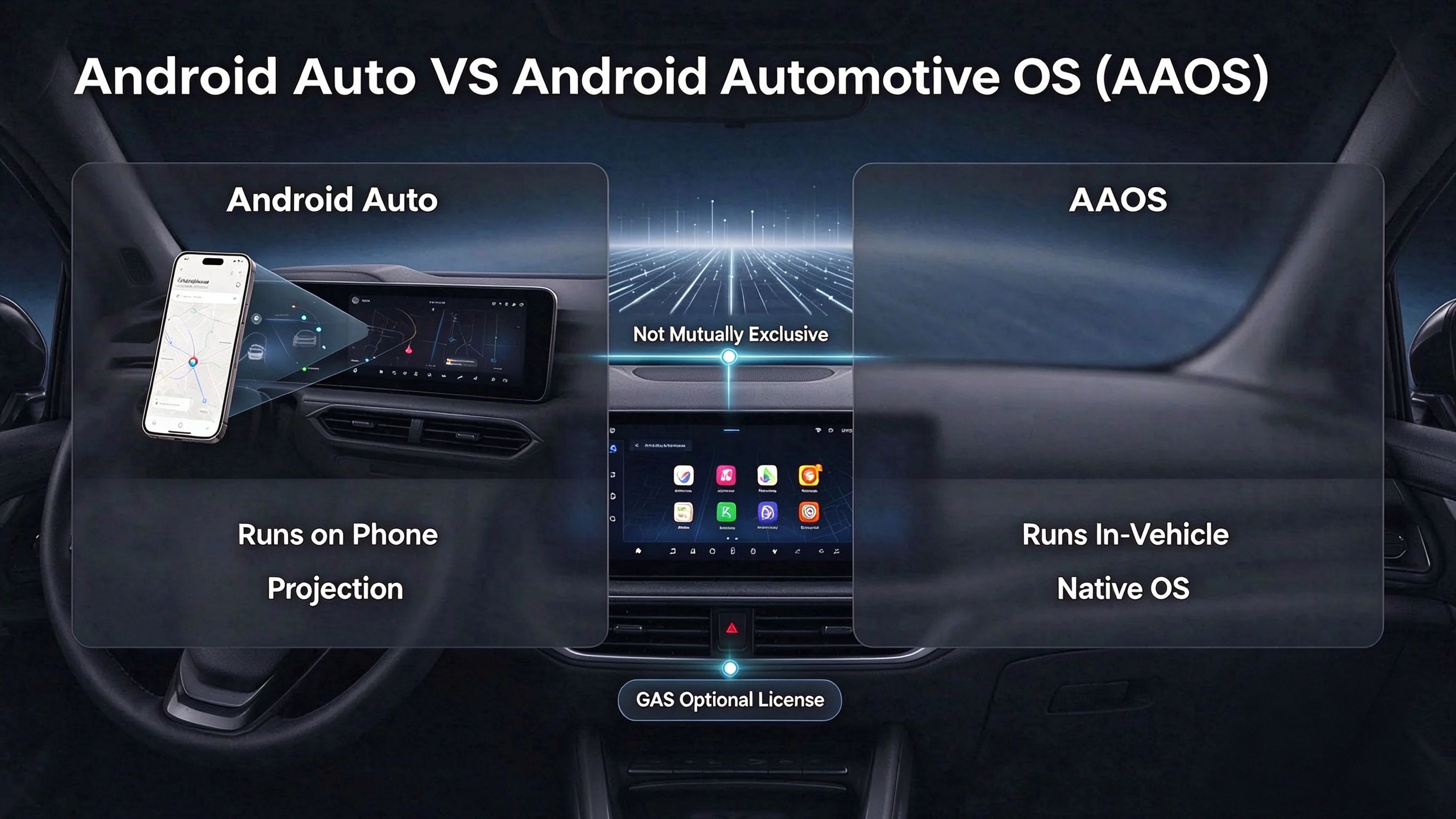
Distinguishing Android Auto from Android Automotive OS at Project Start
Read article
 Blog
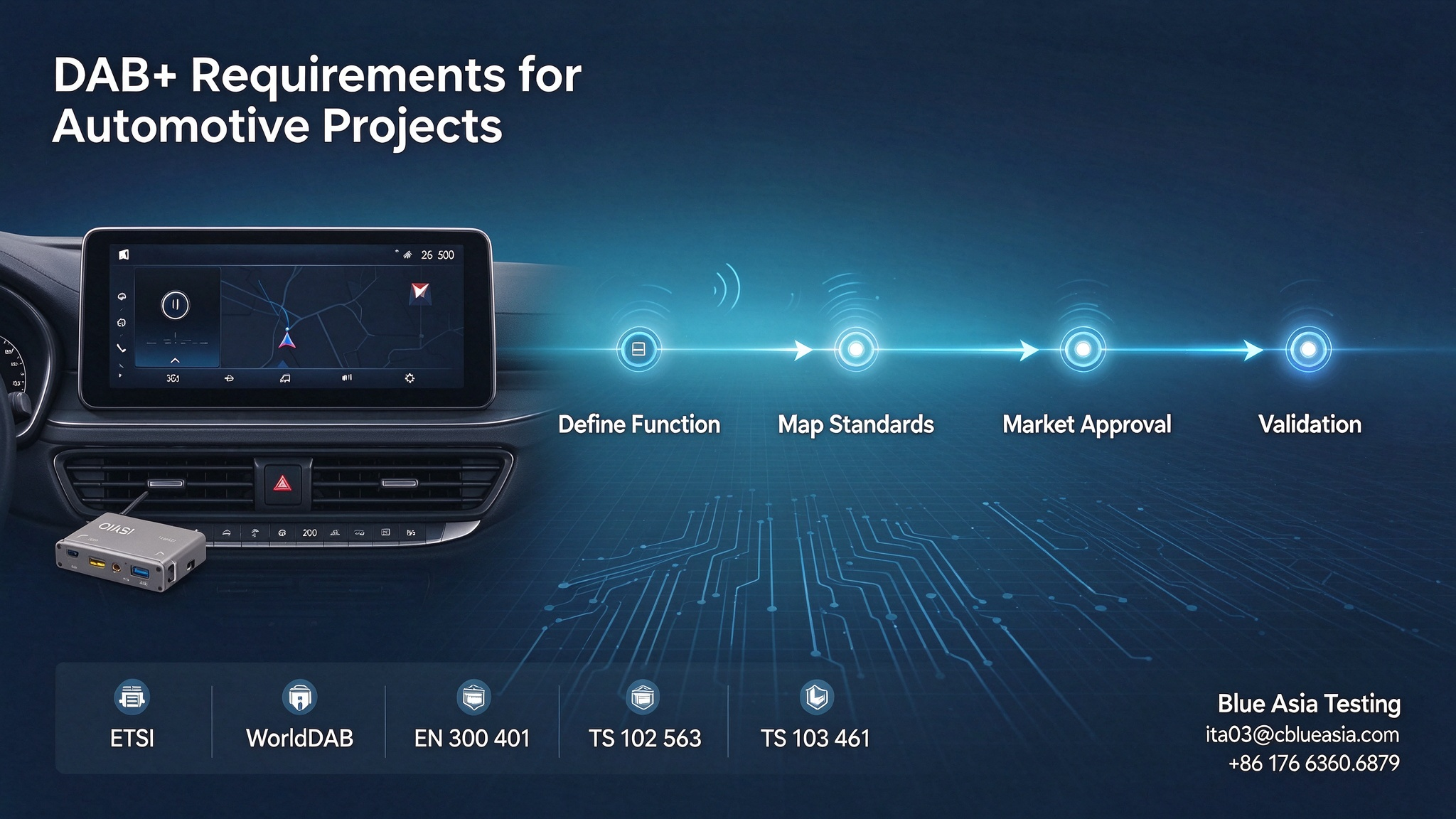
Defining DAB+ Requirements Before Starting an Automotive Project
Read article
 Blog
Why Vehicle Type Approval Starts Before The First Prototype Exists
Read article
 Blog
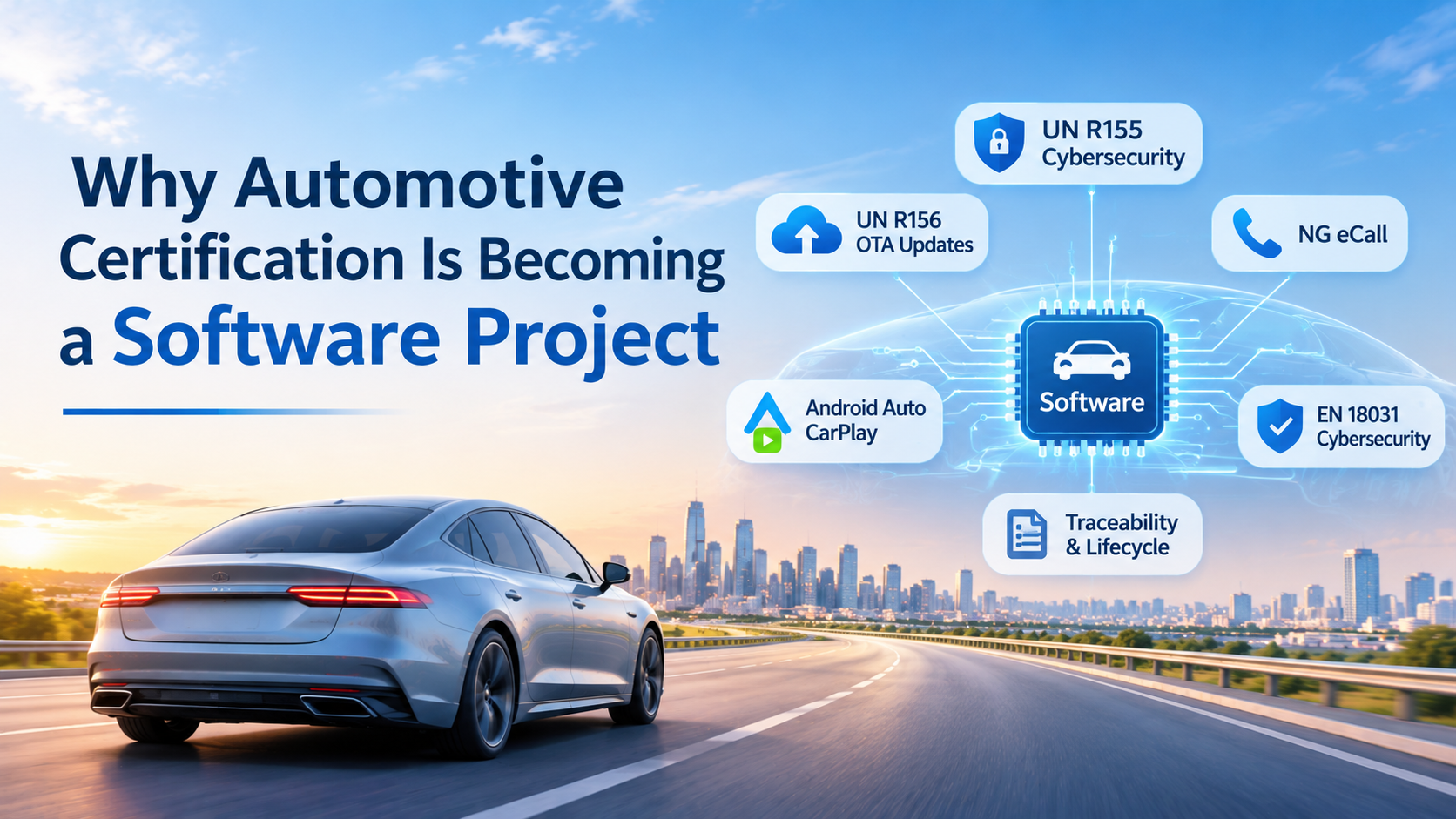
Why Automotive Certification Is Becoming a Software Project
Read article
 Blog
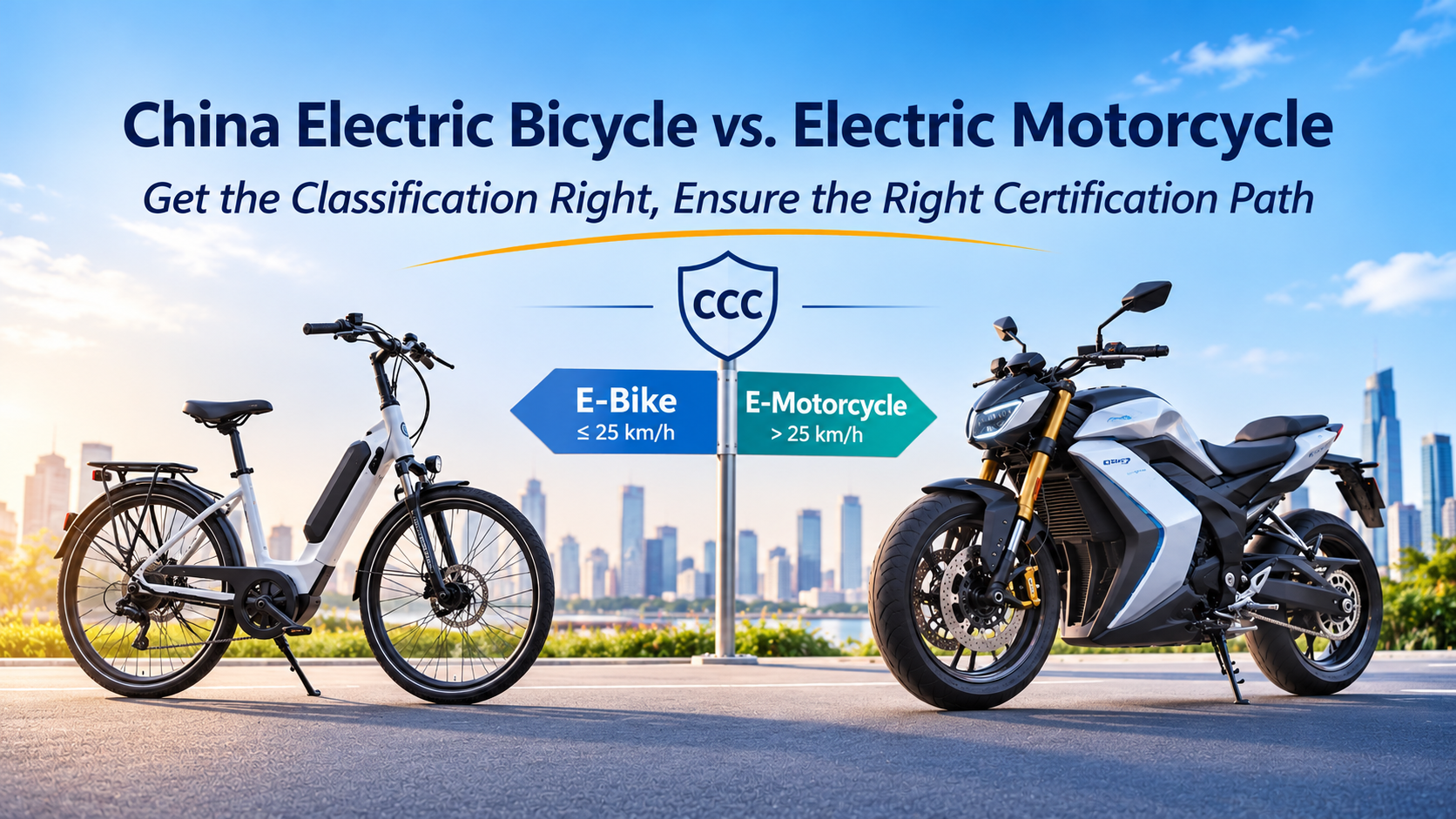
China Electric Motorcycle vs. E-Bike: Why Vehicle Classification Determines the Entire Certi
Read article
 Blog
Your Vehicle Passed Type Approval. Can an OTA Update Make It Non-Compliant?
Read article

 4000259520